Tag: Systems Thinking

  • Stop Trying to Fix People. Start Being With Them.

    Stop Trying to Fix People. Start Being With Them.

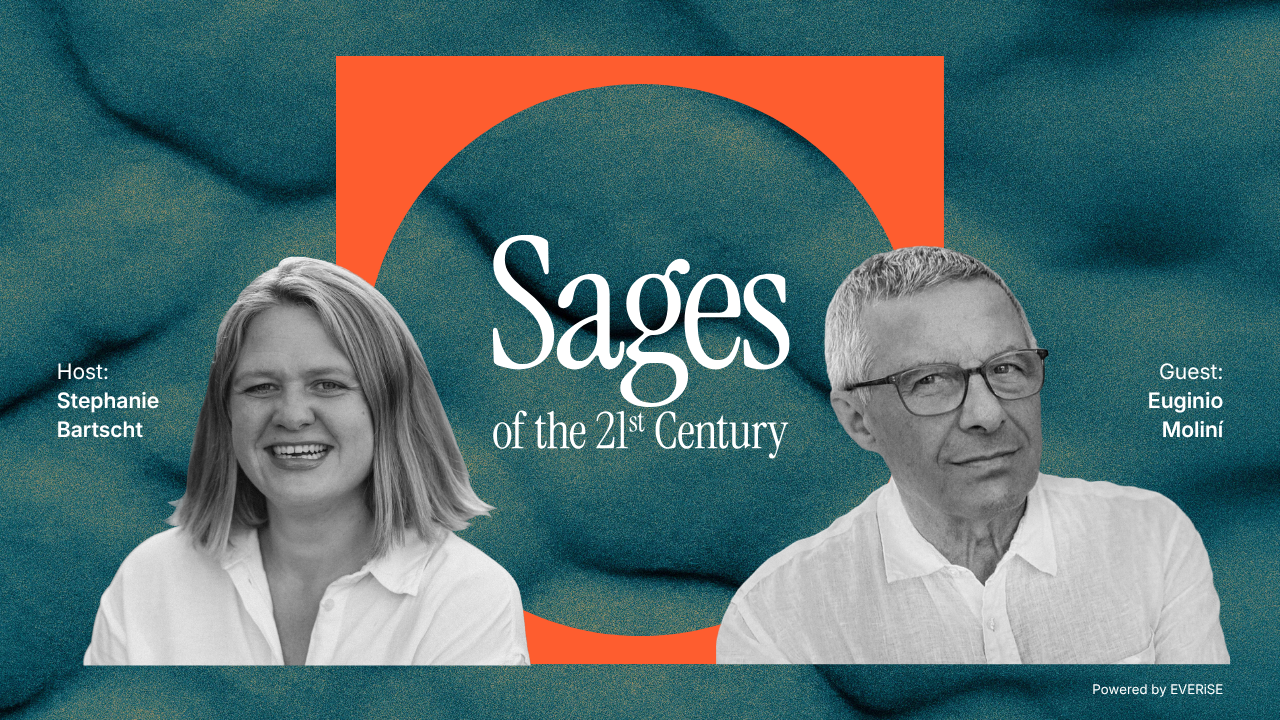
    A conversation with Eugenio Moliní

    Sages of the 21st Century – S1.E1

    What happens when a change consultant chooses authenticity over commerciality?
    A Note from Stephanie

    This conversation is rich, potentially provocative yet deeply reassuring. 

    Eugenio has that effect… ever since I met him. 

    Authentic, real, and far from conventional, Eugenio is a kind, peaceful, and wise Sage sharing his knowledge, energy, and human perspective after more than 4 decades as an international Change consultant.

    This is a deeply human conversation. Eugenio is honest. The message is different. Which I find inspiring. Because for me it’s the right different. 

    That return to human authenticity kind of different. 

    In this conversation, I was again reminded that we humans have and are the solution to our shared world’s entangled complexities. That everything starts either with the self, the other or the whole. And as Eugenio says, it doesn’t matter where you start; eventually you will meet them all.

    Thank you to Eugenio for this expansive conversation.

    If you’re curious about change, in particular in organisations and teams, I invite you to take 65 minutes… Press play and open your head, heart and mind as you journey into the perspectives of this very special Sage.

    About Eugenio Moliní

    Eugenio Moliní is a Gestalt practitioner and facilitator, and one of the quietly radical voices in organisational change. Originally from Spain and now based in Sweden, he has been designing and facilitating change processes since 1989, working inside boardrooms, joint ventures, and cultures far outside the reach of conventional consulting.

    Eugenio consciously chose to never become a “mainstream” consultant: he wasn’t prepared to negotiate his authenticity. After being asked again and again to know the outcome of his work before starting, he realised… he can’t and won’t do this work in the conventional way. Eugenio doesn’t work that way. He works from presence rather than prescription, asking the questions that let people, teams, and organisations find their own next step whilst being there with them.

    Along the way, he’s walked away from the things most consultants spend a career building: a training institute, a certification system, a legacy. Not out of bitterness, but out of a hard-won understanding that anything built to last eventually becomes a straitjacket for him, so he gives his methods away freely and never seeks credit.

    Eugenio has trained Gestalt practitioners for four decades and considers himself, above all, a fellow explorer of what he calls “the mystery”, the boundary between what we know and what we don’t.

    What We Explore in This Episode: Change, Gestalt, and Letting Go

    This conversation moves slowly and honestly through four decades of Eugenio’s thinking on change, presence, and what it actually means to be of service.

    Stephanie and Eugenio explore:

    Why Eugenio never became a mainstream consultant, and how he built a practice by working through “boundary spanners”, the people with one foot inside the system and one foot out, who took a risk to bring him in.

    The double bind he deliberately creates with clients, where whatever they choose, they succeed. Why part of his fee is simply being available to take the blame, even when it isn’t his fault, and how he stays loyal both to the assignment and to the person who hired him.

    Gestalt, explained in three parts: a philosophy of living at the edge of what we don’t know, a personal practice of training yourself to stay there, and a professional practice of helping others do the same.

    Phenomenology and radical self-acceptance: why you cannot change what you don’t first accept, and why so many organisational “values” exercises fail because they describe who a company wants to be without ever naming who it actually is.

    Why the present matters more than the past or the future, and the deep personal and professional crisis in 2012 that finally taught Eugenio to live this, rather than simply teach it.

    “I don’t build things that last”, the training institute he walked away from, the certification system he refused to create, and why lasting things eventually become a straitjacket.

    The three questions Eugenio asks any team stuck in a decision: how does this affect me, how does it affect others, how does it affect the whole, and the story of a stalled joint venture in China they finally unstuck by asking them.

    What Eugenio believes his actual job is: not providing solutions, but staying with people at the exact point where their frustration and excitement meet, until they can see clearly enough to move themselves.

    What he thinks business needs more of right now, in one word: stop.

    A Few Lines That Stayed With Us

    “The moment I am part of something, it stops being a system to me, and I don’t know how I can change anything I’m not part of.”

    “There’s a special kind of double bind where whatever you do, you succeed. You choose where you put the frustration, but the frustration will always be there.”

    “How can I take care of myself regarding both love and pain. How do I take care of others regarding both love and pain. And how can I take care of the whole regarding both love and pain […] It doesn’t matter where you begin”.

    “No company needs to grow so much. There’s room for everybody. You don’t need to be a pirate.”

    “Everybody is a sage.”

    Listen to the Episode

    Listen on Substack
    Listen on Spotify
    Listen on Apple Podcasts
    Listen on YouTube

    Episode References

    Eugenio Moliní on LinkedIn
    https://www.linkedin.com/in/eugeniomolini/

    Gestalt Akademin i Skandinavien: Eugenio is core faculty here, teaching Gestalt approaches to organisational development alongside practitioners from around the world. https://www.gestaltakademin.se/resilientorganizations

    Gestalt Institute of Cleveland, “What is Gestalt?”: the clearest practitioner-written introduction to the philosophy and practice Eugenio draws his entire approach from; discussed in depth around the 21-minute mark. https://www.gestaltcleveland.org/what-is-gestalt

    “Phenomenology”: the philosophical root of Eugenio’s “you cannot change what you don’t accept” principle; discussed around the 27-minute mark. https://gestaltreview.com/phenomenology-and-gestalt-therapy/

    Gregory Bateson’s double bind theory: the concept behind Eugenio’s favourite client intervention, first developed in his 1972 essay collection Steps to an Ecology of Mind; discussed around the 14-minute mark. Primary source: https://press.uchicago.edu/ucp/books/book/chicago/S/bo3620295.html — Accessible explainer: https://www.psychologytoday.com/us/blog/escaping-our-mental-traps/202402/speak-your-mind-but-not-like-that-the-double-bind-theory

    Shunryu Suzuki, Zen Mind, Beginner’s Mind — referenced by Eugenio as a tradition with deep parallels to Gestalt’s way of sitting with the unknown; mentioned around the 26-minute mark. https://www.shambhala.com/zen-mind-beginner-s-mind-1796.html


    Production by Alexandra Normand. Sound editing by Robbie Redway. Artwork by Koen Hogewoning. Hosted by Stephanie Bartscht, founder of EVERiSE.

  • If Sustainability is the Goal, Purpose-Positive is the Path

    If Sustainability is the Goal, Purpose-Positive is the Path

    If we look at the world around us today, we see cracks. A world breaking under pressure, or a space where potential is bursting through. It is all a matter of perspective. 

    The view of a closed dome from the inside, with round windows that let the trees, sun and sky in.

    How do you think? What is your mindset?

    In my last article, I shared how today’s business challenges, AI, CO2, human rights, and efficiency, cannot be answered by a single department. These “shared problems” don’t respect siloed boundaries and are exactly why businesses are struggling to keep up.

    To thrive in these wild and wonderful times, every business and individual must move from operating in parts to acting as a whole. 

    But how do we do that?

    Moving Beyond the Boxes: Reclaiming Systems Thinking

    Perhaps the first step is simply remembering what we’ve always known: that we possess a natural superpower for adaptability and interconnectivity.

    Somewhere along the way, we seemed to have forgotten our intuitive sense of how everything touches everything else. In our businesses and organizations, we began trading the big picture for small, isolated boxes, and it’s beginning to cost us everything.

    Moving forward, we are invited to reclaim that lost systems perspective and live beyond the box.  If sustainability is the goal, a Purpose-Positive path guides us to work beyond departments and co-create systems that will flourish into the future.

    The Rise of the Prosumer: A New Soul at Scale

    And we can already see this shift taking shape in the world around us.
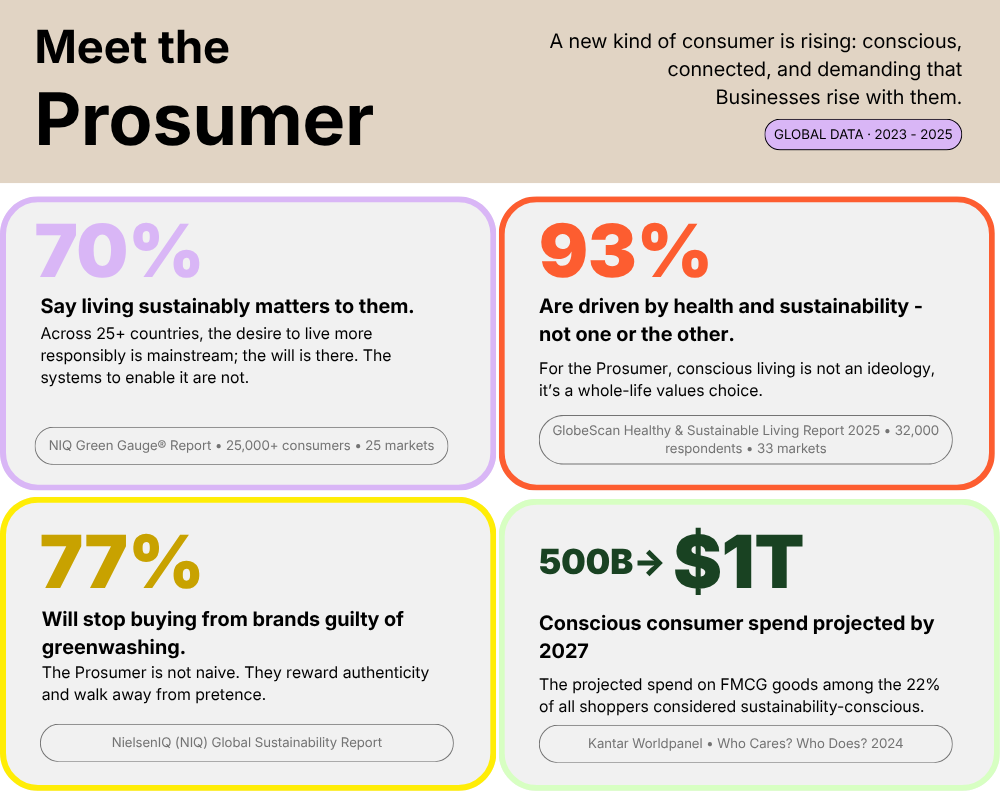
    It is 2026, and a beautiful awakening is happening.  Millions are proactively responding to the cracks in our world’s climate, social, and financial systems. They are choosing green banking, Electric Vehicles, circular products, and so much more.

    At work and at home, the passive consumer has woken up: the Prosumer is here.

    They are seeking soul and purpose. They don’t just want to buy; they want an experience to be part of the solution. Conscious and connected, they span every generation and continent. Aware of the cracks in the “old way,” they are reactivating their own sense of intention. No longer passive participants, they are becoming the architects of our shared future.
    Voting with their wallets, and where they choose to work: the pressure is on for businesses to do the same!

    As existing business models are disrupted by the pressures of change, we find ourselves in a unique window of opportunity. A time for businesses to rise through the cracks by reactivating their purpose to meet the Prosumer, so together they can design a flourishing and symbiotic future.

    Elevate to a Higher Operating System: Think Purpose-Positive

    A brain image with it's connections fully activated.

    To do this, we don’t need another management tool or a new certificate; we need to elevate our Operating System.

    Think of it as an upgrade to your internal software. (You do it on your phone every 3 months!) For the last 150 years, our “business software” has been ever more programmed for silos, extraction, and short-term profit.

    If yesterday we led only with our heads, a Purpose-Positive way of doing things means leading through the Heart (soul), Head (strategy), and Hands (action).

    As systems thinkers, we take the shared world as our starting point and strive to influence the whole web with everything we do. Not just one, but many.

    To think Purpose-Positive is to proactively leverage your purpose to enable fulfilled people to live energy-positive and waste-free, regenerative lives. This ambition is realized through three core pillars that act as one unified pulse:

    • Fulfilled People: Our answer to systemic injustice. It’s about creating environments where human spirits can actually soar.
    • Energy-Positive Living: Our answer to the energy crisis. It’s moving beyond “saving electricity” to becoming a source of renewable, life-giving power.
    • Waste-Free & Regenerative Systems: Our answer to a linear world. It’s the shift from “taking and throwing” to a symbiotic, circular dance with the planet.

    Training the Muscle: The Power of the Purpose Nudge

    People Exercising.

Photo by Sven Mieke on Unsplash

    Being Purpose-Positive is not a job for one person or a single department; it is a mindset to be nurtured, nudged, and practiced by everyone.

    The beauty of this approach is that there is no “master checklist”.
    Instead, there are a series of nudges to spark anyone’s imagination and integrate Purpose-Positive thinking into every aspect of work and life.

    This is where the real power lies: in the individual.
    A Purpose-Positive way of doing things recognizes that the individual holds the power.
    If sustainability is the sum of a million tiny, daily decisions, then a Purpose-Positive mindset is what activates each individual to make them. No “external expert” is needed to tell you what to do, and this is not a management tool or a certification.

    The Purpose-Positive way of thinking empowers every person to leverage their own expertise to enable fulfilled people to live energy-positive, waste-free, and regenerative lives. 

    And it all starts with a nudge. 

    • Justice: How can you enable greater prosperity and equity through our work?
    • Connection: How can you enable your teams to work more as a connected network?
    • Resources: What energy and materials fuel you? Are they bio-based and renewable?
    • Lifecycle: How can we enable greater impact and lifecycle planning for our products?

    Explore more nudges by spinning the Purpose-Positive Wheel here.

    Start in the Planning: The Birthplace of Impact

    A group of people planting a strawberry plant, you see by their hands that they are three generations planting together.

    If we want a different output, we have to change the input.

    Too often is sustainability an afterthought, and when a project is finished, one remembers to ask….“Is this sustainable?” By then, it’s usually too late. The materials are bought, the logistics are set, and the waste is already embedded into the design.

    A Purpose-Positive mindset is most powerful when used to make plans, choices, and decisions. It belongs in that moment when teams come together to provide vision and structure, deciding not just what you are going to do, but why you are doing it and who it truly serves.

    When you bring this mindset into the room before a single Euro is spent, you transform the planning process from a chore into a creative act of designing the future.

    A powerful strategic advantage of this approach is the seamless integration of reporting. Because your metrics and ambitions are integrated into your core purpose and planning from the start, reporting becomes quick, easy, and authentic, rather than a prolonged headache and desperate scramble to find data.

    To think Purpose-Positive is to keep your systems-thinking muscle active during this initial phase. This isn’t about adding “green tasks” to a to-do list; it’s about filtering every strategic choice through a new lens of vitality. First comes the purpose. Then comes the positive: how can this enable fulfilled people to live energy-positive and waste-free, regenerative lives?

    To help you keep this muscle trained, use the Purpose Nudge Wheel.
    Keep it close when planning and doing, and stay fit to shape the future!

    Have fun with it!
    It is an honor and a joy to be a proactive architect of the future, to lead from your systems-thinking superpower and leverage your purpose to enable a world that thrives.

    Shaping the 22nd Century: An Invitation to Upgrade

    A call to action. 

Image by Mika Baumeister on unsplash

    No one said it would be easy. With a million variables that can only be understood through testing and failing, change is never simple, and transformation is endless. But the excitement of discovery is what makes thinking Purpose-Positive easier over time, especially as prosumers rise in every corner of the globe. The more of us exercising our system thinking, the more real change becomes.

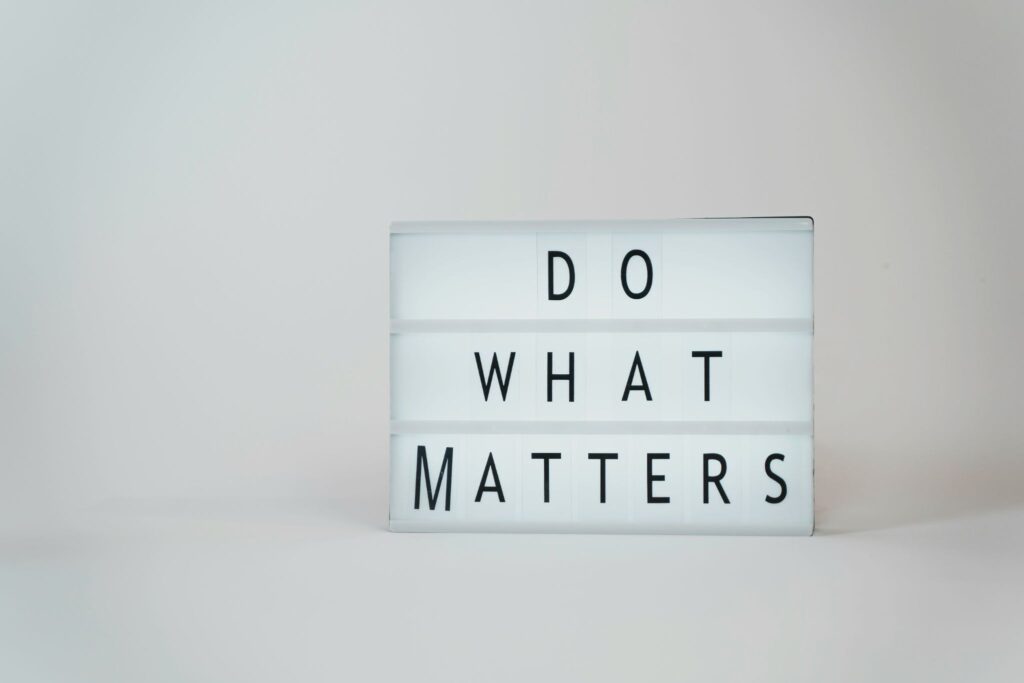
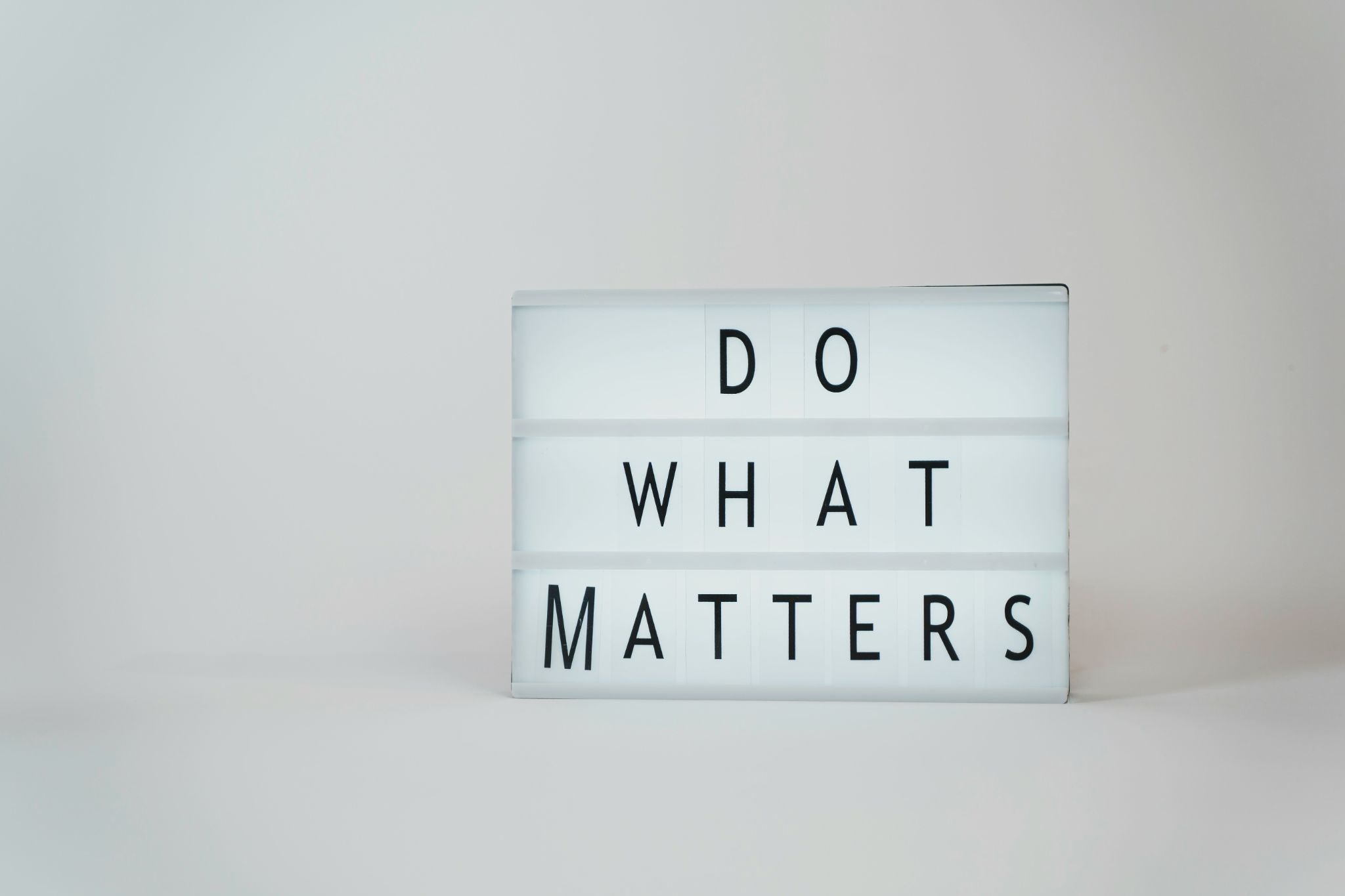
    The time is now: Do what matters!

    The year 2100 is only 74 years away. Most children and many adults alive today will live to experience it. As we move toward the 22nd century, our cracking world is inviting us to renew our foundations, our mindsets, and our systems so that we may all continue to flourish.

    Albert Einstein famously said, 

    “You can’t solve problems with the same thinking that created them.” 

    If you believe things need to change and that tomorrow must be different from today, then this is your invitation to upgrade your operating software.

    Don’t just go to another training.
    Talk with your colleagues about how they see the situation.
    Take time to go inside, reactivate your care-factor, and nurture a new, Purpose-Positive mindset. Gradually elevate your operating model by training your systems-thinking muscle to equip yourself to live a life you love in a world you are proud of.

    Our surroundings are begging us to focus on enabling fulfilled people to live energy-positive, waste-free lives. This begins with reactivating your individual soul, and continues with us all thinking Purpose-Positive together.

    And so to end… I leave you with one simple nudge:
    Are you ready to turn your ‘care-factor’ into the creative force that shapes our shared future? 

    Stay tuned: in the next article, we will dive deeper into the specific structures and methods that can help us think and plan together in a truly Purpose-Positive way.

    Think of this as your regular leadership software update. We are moving beyond the old way of doing things and upgrading to a Purpose-Positive mindset. For more insights on regenerative leadership, training your systems-thinking muscle, and designing a flourishing future, join us on Substack.

    [Upgrade to a Purpose-Positive Mindset here]

    —

    By Stephanie Bartscht
    Founder of EVERiSE

    Sustainability starts within.
    I work with brave leaders and leadership teams who can feel the future knocking and want to answer with clarity, connection, and confidence. Through EVERiSE, I help organisations navigate complexity from the inside out, so sustainability becomes something people can actually live.

  • Why Most Organisations are Falling Behind: The Silo Problem

    Why Most Organisations are Falling Behind: The Silo Problem

    When I say the word system, what do you think of?
    Computers? Ants? The invisible hand that dominates the world?

    When I think of systems, I think of connection. Hyper connectivity. I think of all the living beings on earth, interconnected with an invisible string. I get a warm, fuzzy feeling inside whilst, in parallel, becoming totally overwhelmed by the extent of our collective connectivity.

    Originating from the Greek word: systema, meaning organized whole, a whole compounded of parts. I’ve learnt that people find the word unrelatable and overly academic. I see this as a problem, and I’d like to share why.

    An interconnected web, illustrating a complex natural system.

    The Adaptation Delay

    The world is changing. And always will. This we know. 

    But at the moment, we seem to be seeing more businesses collapse due to our changing world than survive. So what’s happening? Why are we not adapting fast enough to get ahead and master the threats of change? Is it impossible…or is there a way to reignite our adaptive superpower to gain collective confidence in the potential of our bright future?

    Back to the word system. If one of the key changes in our world is that we are more connected than ever, then that also holds the solution to this costly problem.

    We have been designing the parts while ignoring the whole.

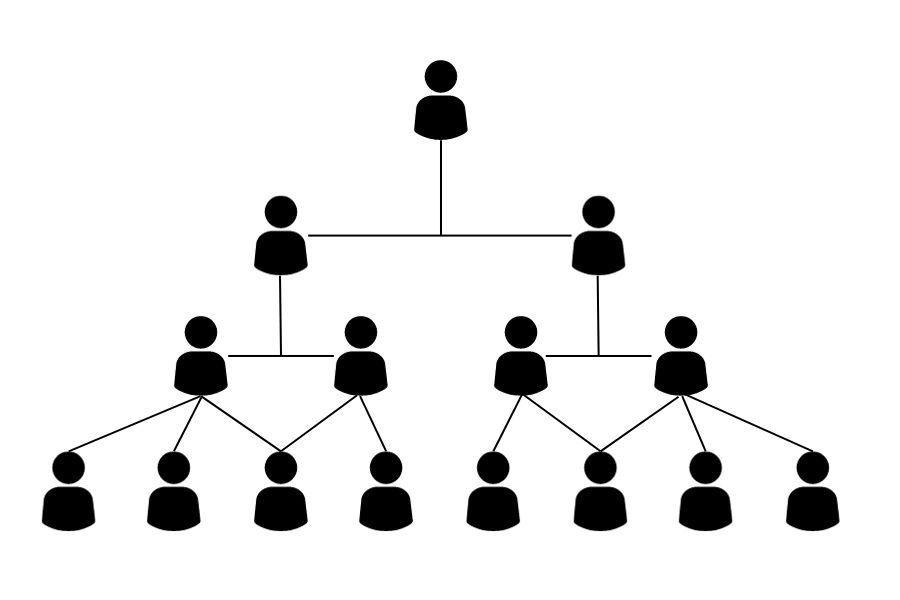
    If we look at the anatomy of most organizations, employees work in departments defined by functions. Siloed and isloted everyone is busy with their part, delivering on their specific metrics. 

    … And slowly this fragmentation is costing us everything.

    As the future knocks, it’s bringing with it topics and themes that don’t seem to belong to just one department or siloe.  

    Where do we do sustainability? … and equality?
    When do we innovate? And who’s responsible for that?

    It’s becoming clear that today’s business challenges do not respect traditional silo and departmental boundaries. Ai, CO2, human rights, waste & efficiency… These are all “shared problems” that no single team can solve in isolation. They require a level of connectedness and relationship that most traditional silos simply aren’t built for.

    These are systemic problems. They belong to the system and fall on everyone to address. The ongoing changes in our shared environment, aka the system, are affecting us all, and to get ahead, they need to become everyone’s business. Literally.

    A standard business organisational chart.

    From Isolated to Connected: Moving Beyond the Era of the Silo

    As challenges are surmounted, it’s becoming clear that the era of the “silo” is delaying us and that the era of the “system” is emerging. Although some departments are already tasked with solving shared problems (innovation, sustainability, ED&I), they are often overwhelmed and understaffed. Whilst siloed functions don’t see the system problems as theirs to solve, there is simply too much for the small group to create progress. The gap between those who deal with change and those who do not is growing, and with it, the cost is rising. 

    As we are urged by our changing world to move from isolated to connected ways of seeing and working, the big shift lies in recognizing that responding to change is a shared task. By coming together with diverse skills, we can overcome anything. 

    For businesses and their organizations to thrive in these wild and wonderful times, the call to action is clear: it is time to bridge the gap and move from operating in isolated parts to perform and deliver as a connected whole.

    Everyone’s Business: Our Shared Future

    If we zoom out to the biggest system that connects us all, it is the shared planet we all inhabit. Which, you most probably have noticed, has been changing a lot recently, and much to our own detriment. Until now, in most businesses, dealing with this has been assigned to a budget-free department with little decision-making authority. Not ignoring the valiant and great work done by these professionals, I think we can all agree that the results have not been as effective as we hoped (as explored in the article Sustainability Starts with the Self). The agenda needs to evolve.

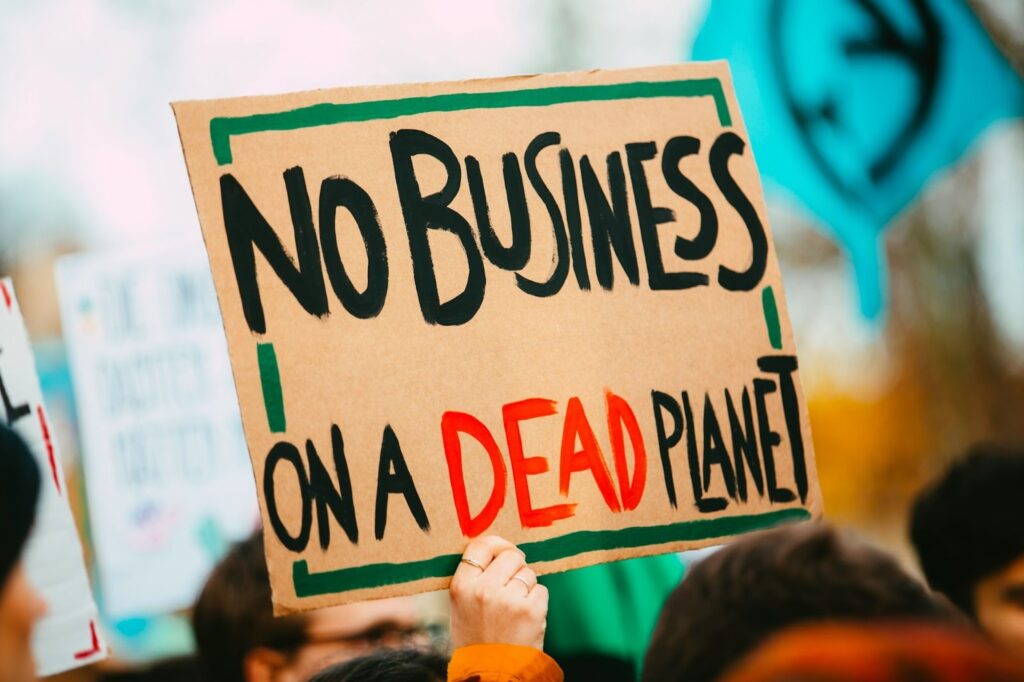
    NO BUSINESS ON A DEAD PLANET. Climate change chaos strike demonstration protest: https://unsplash.com/photos/no-business-on-a-dead-planet-sign-z56L143KBvE

    The Mindset Shift

    The topic of sustainability is perhaps the ultimate example of acting in honor of the system. It is a broad umbrella term for anything that could, should, or would be good for the planet and its inhabitants. Unfortunately, many systemic issues have been hidden in the sustainability agenda for too long, and it is costing every business a large “adaptation gap” bill.

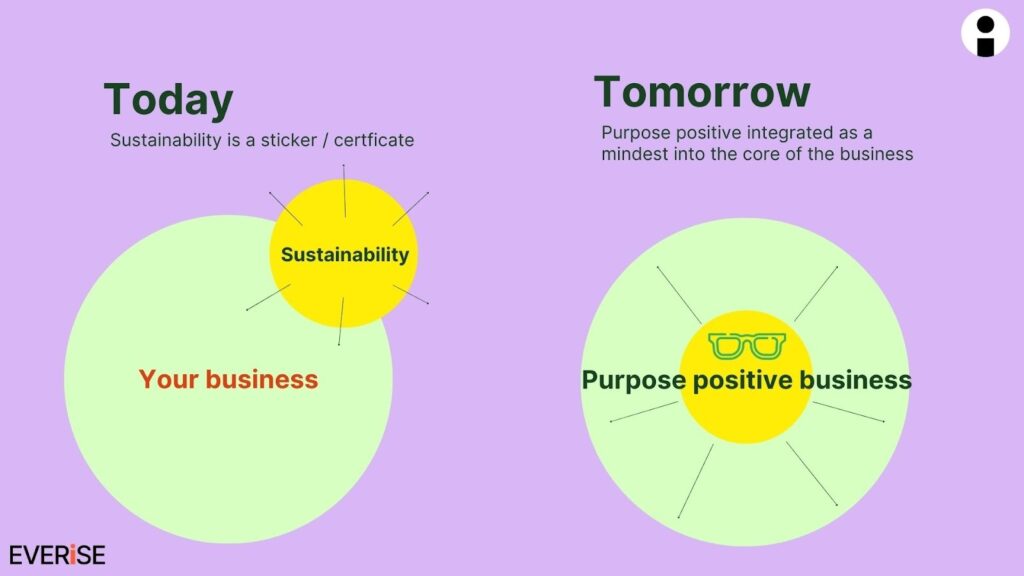
    Often, these ambitions are treated like an add-on “sticker” or a certificate to signal that a business cares, but the reality is that sustainability is never “done.” To serve the endless changes the system presents is an infinite task that begins with a total re-inspection of the entire business ecosystem. Any claim to be dealing with systemic problems without taking a systemic perspective can only ever be a superficial fix.

    Purpose-positive business response to climate change and the silo problem.

    Business as a Vehicle for Purpose Positive Change

    As the planet heats up, we are being forced into the era of the system. Every person and every business is being invited to re-inspect their way of seeing and responding to emergent changes.

    The invitation is to move beyond seeing and solving problems in isolation. Instead, we must navigate the whole together. We need to identify the priorities the system needs to survive and respond to them through cross-functional, cross-departmental, and cross-personal shared ownership. It’s time for a renewal in how we do business. 

    Paul Polman (sustainability pioneer and ex-CEO of Unilever) says it perfectly:

    “The question facing every board and CEO today is not just what your company sells, but what it stands for, and whether your model is built for the world that’s coming or the one that’s already gone”.

    The questions that every business needs to ask itself right now are: What is our purpose, and how is it positively serving the changes of our shared system?
    Crack this, and your future is bright!

    Happy Face sign by Katja Ano

    Just imagine an organization where burnout among “sustainability leads” or “innovation managers” disappears, not because we lowered our targets, but because we finally stopped isolating the responsibility. Imagine a company where every person, from the boardroom to the front line, understands their role in this interconnected web.

    To thrive into the future, we must reignite our adaptive and interconnectivity superpowers.  If every business and organisation could break down its silos and ignite a shared responsibility to act in response to changes affecting the whole, we would cease playing catch-up, paying high costs, and instead become proactive architects of the future.

    What Comes Next?

    If you haven’t realised yet… We are on the verge of a profound evolution. Moving from acting as “isolated parts” to a “connected whole”. This is not just a management strategy; it is the only way to ensure the future remains a place where we can thrive, from business to personal life.

    But seeing the system is only the first step. The real challenge is how we act within it. If the era of the “silo” is closing, what exactly does it mean to replace that “sticker-on-the-wall” sustainability with a living, breathing mindset and strategy that touches every department, every product, and every person?

    In my next article, I will share the framework for that future. We will move beyond the theory of the system and into the tangible, three-fold mindset of the Purpose Positive business: where every action is distinguished by its consideration of enabling Fulfilled People, to live Energy-Positive, and Waste-Free lives.

    —

    By Stephanie Bartscht
    Founder of EVERiSE

    Sustainability starts within.
    I work with brave leaders and leadership teams who can feel the future knocking and want to answer with clarity, connection, and confidence. Through EVERiSE, I help organisations navigate complexity from the inside out — so sustainability becomes something people can actually live.

✕